
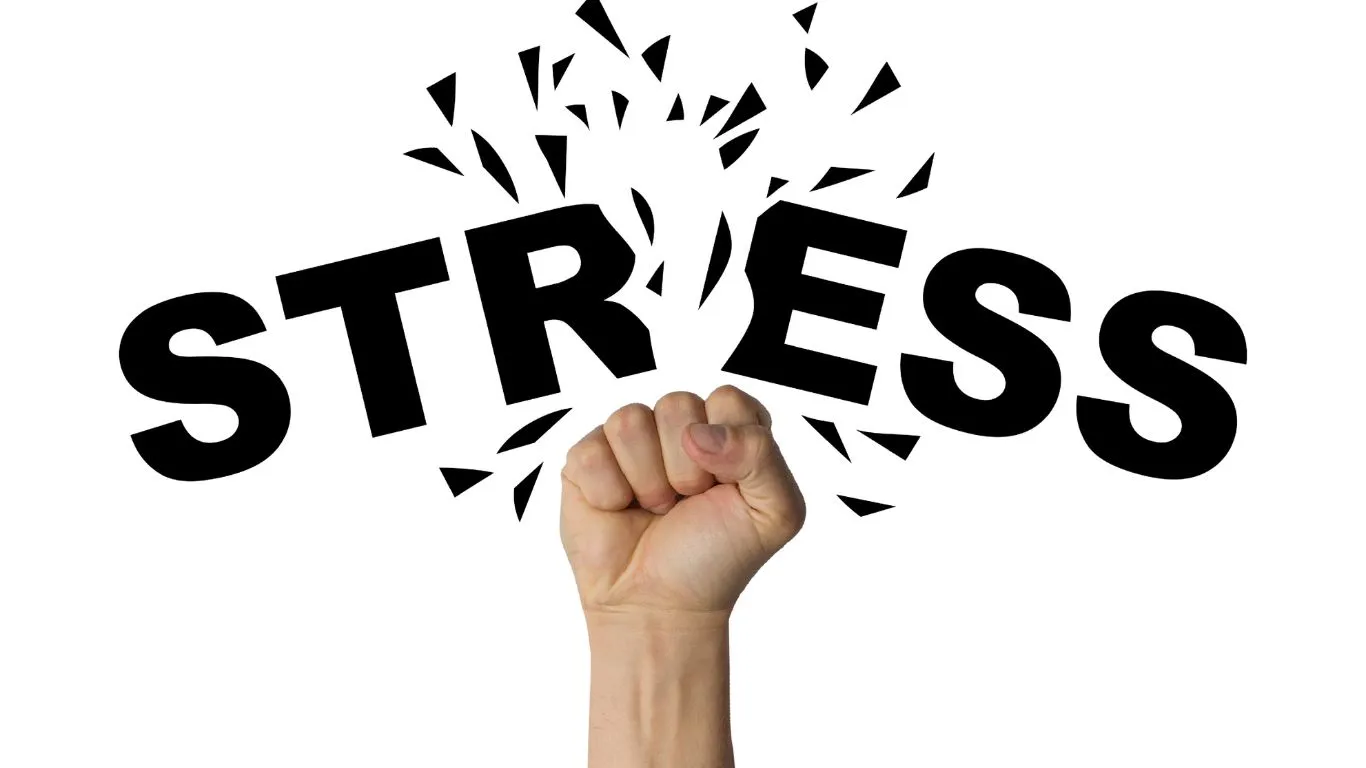
Stress can be momentary, short-lived, and a good factor that drives performance; yet, if prolonged, it can turn into chronic stress, which is harmful to one’s health and well-being.
Everyone has experienced stress
Stress might occasionally work in your favor by inspiring you to give your best performance at a job interview or piano recital. However, it’s usually a negative force—for example, when you’re stuck in traffic. If you don’t take action, long-term stress has the potential to turn into a chronic condition.
An organic response
Have you ever been on a first date and noticed that your hands were sweaty or that a scary movie was making your heart race? At that point, you are aware that your body and mind are under stress.
Our ancient ancestors evolved an instinctive reaction to keep themselves safe from predators and other dangers. When the body senses danger, stress chemicals like adrenaline and cortisol are released, raising blood pressure, heart rate, and energy levels while preparing the body to handle the situation.
You’re hardly likely to be in danger of being eaten these days. However, you undoubtedly face a number of difficulties every day, such balancing childcare, paying bills, and meeting deadlines.
Points of pressure

Even mild, transient stress can have an effect. For example, you might have nausea prior to a presentation. Even greater effects can result from more severe acute stress, which might be brought on by a disagreement with your partner or by an occurrence like an earthquake or terrorist attack.
One theory linking stress to a heart attack is that chronic, high levels of acute stress may also aggravate circulatory systemic inflammation, especially in the coronary arteries. It also seems that a person’s cholesterol levels are influenced by their reaction to stress.
Persistent stress
Stress becomes even more dangerous when it begins to interfere with your capacity to live a regular life for an extended period of time. The detrimental effects of stress on your body and mind increase with its duration. For example, you might have weariness, difficulty concentrating, or unfounded irritability. However, persistent stress also wears down your body.
Nearly every bodily function can be affected by the prolonged activation of the stress response system and the excessive exposure to cortisol and other stress hormones that result from it. This may raise your chance of developing a number of physical and mental health conditions, including as anxiety, depression, stomach problems, headaches, discomfort and tension in your muscles, heart disease, heart attack, and high blood
Chronic stress can also lead to disease due to physiological changes or unhealthy coping mechanisms like smoking, overeating, or other poor habits. For instance, a higher risk of cardiovascular disease is linked to job strain, which is defined as high demands combined with limited decision-making flexibility. A higher risk of cardiovascular disease has also been linked to other types of chronic stress, including depression and a lack of social support.
In addition to impairing immunity, ongoing stress also makes it more difficult for the body to heal from diseases.
What you’re capable of Stress
Not only can lowering your stress levels improve your immediate mood, but it may also have long-term health benefits. For instance, numerous studies have shown that initiatives aimed at enhancing psychological well-being can also positively.
Influence cardiovascular health
Researchers advise scheduling fun activities into your daily schedule in order to increase your positive affect, which includes emotions like joy, happiness, contentment, and enthusiasm.
Additional methods for lowering stress include:

Determine the source of the stress
Keep an eye on your mental state all day. If you are experiencing stress, list your feelings, your thoughts, and your cause. Create a plan to deal with the issue once you’ve identified what’s upsetting you. This could entail lowering your standards for both yourself and other people or asking for assistance with chores, work, or other obligations around the house. Make a list of everything you have committed to, evaluate what matters most to you, and cross out any chores that aren’t absolutely necessary.
Cultivate solid connections
Stress can come from relationships. Studies have shown that, for example, having a confrontational or unfavorable interaction with your spouse can quickly alter stress-sensitive hormone levels. However, relationships can also act as a diversion from stress. Inform your loved ones or close pals that you’re going through a difficult moment. They might be able to provide helpful advice, encouragement, or just a different viewpoint while you start to address the issue that’s stressing you out.
When you’re upset, turn away
Count to ten to gather yourself before you react. Then give it another thought. Engaging in physical activities such as walking might also aid in decompressing. Additionally, exercise raises endorphin production, which is your body’s natural way of elevating your mood. Make a commitment to exercising on a daily basis, such as going for a walk, as this can be a tiny but effective way to lower stress levels.
Give your thoughts a break
Reduce your coffee intake, get electronics and television out of your bedroom, and go to bed at the same time every night to help you obtain the required seven or eight hours of sleep. Studies indicate that practices such as yoga and relaxation enhance immune function in addition to lowering stress.
Seek assistance
See a psychologist or other qualified mental health expert if you’re still feeling overwhelmed. They can teach you appropriate stress management techniques.
They can assist you in determining the circumstances or actions that lead to your ongoing stress and then creating a plan of action to modify them.

